
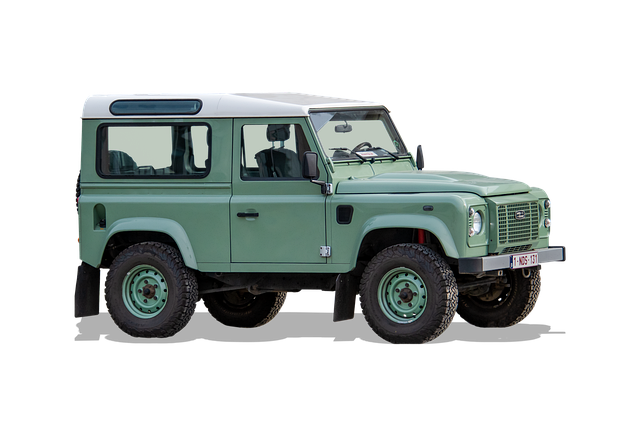
When selecting heavy-duty All-Terrain Vehicles (ATVs) for work, prioritize robust performance, durability, and versatility tailored to specific environment demands. Key factors include powerful engines, advanced suspension, ground clearance, traction control, safety features, maintenance costs, and dealer support. Proper training and ongoing care through regular inspections, cleaning, and service ensure peak performance and safety across diverse terrains.
In today’s diverse work landscape, versatile heavy-duty All-Terrain Vehicles (ATVs) are transforming the way industries tackle demanding tasks. These powerful machines offer unmatched capabilities for navigating challenging terrains, making them indispensable for various professions. However, selecting the right ATV for work can be daunting, with numerous options boasting specific features. This article provides an in-depth guide to help professionals make informed decisions, ensuring they choose the optimal heavy-duty ATV to enhance productivity and efficiency on the job. We’ll explore key considerations, industry applications, and expert insights to empower you in this crucial selection process.
- Understanding Heavy-Duty ATV Requirements for Work
- Key Features to Select All-Terrain Vehicles Naturally
- Best Practices for Maintaining Your Heavy-Duty ATV on the Jobsite
Understanding Heavy-Duty ATV Requirements for Work

When considering heavy-duty ATVs for work applications, it’s crucial to understand the unique demands of various environments and tasks. Unlike recreational use, where agility and speed might be prioritized, work requires robust performance, durability, and versatility. Select All-Terrain Vehicles (ATVs) should be designed to handle demanding off-road conditions, carry significant loads, and operate safely for extended periods. For instance, a construction site necessitates an ATV with powerful engines, robust suspension systems to navigate uneven terrain, and the capacity to tow heavy equipment or haul materials.
Renting ATVs for desert excursions or participating in beginner-friendly ATV racing events near you can offer valuable insights into performance requirements. These activities highlight the importance of excellent ground clearance, efficient traction control, and responsive steering—features that directly impact handling and safety. For instance, desert riding exposes vehicles to intense heat, fine sand, and rapid changes in terrain, testing the ATV’s cooling systems and overall reliability. Similarly, racing events introduce competitive timelines and demanding trails that require exceptional acceleration, brakes, and stability.
Selecting the right heavy-duty ATV involves a deep understanding of industry standards and best practices. Experts recommend evaluating models based on power-to-weight ratio, suspension technology, tire choices, and safety features such as roll cages and seat belts. Additionally, considering long-term maintenance costs, availability of replacement parts, and dealer support is essential for sustained performance and efficiency. For example, some manufacturers offer advanced engineering solutions like independent front suspension (IFS) or automatic transmission options, enhancing both comfort and control during grueling workdays. By aligning your selection with these factors, you’ll be better equipped to choose the best off-road vehicles for beginners or seasoned professionals alike, ensuring productivity, safety, and satisfaction in various work settings.
Key Features to Select All-Terrain Vehicles Naturally
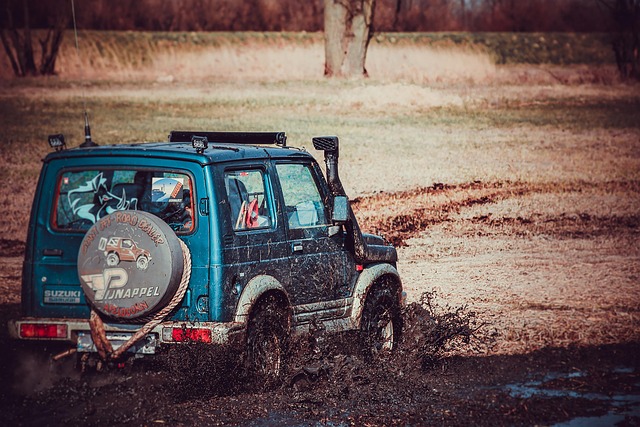
When selecting heavy-duty ATVs for work, it’s crucial to focus on key features that ensure both performance and safety across diverse terrain. Natural adaptability begins with robust engines capable of handling steep inclines and rough surfaces—a necessity for navigating challenging landscapes encountered in forestry, farming, or construction. Additionally, all-wheel drive systems offer unparalleled traction, enabling operators to confidently traverse muddy, sandy, or rocky terrain without compromise.
Suspension plays a vital role in off-road performance. Advanced suspension systems, incorporating adjustable shock absorbers and robust springs, absorb impacts, providing smoother rides and enhanced control over uneven terrain. This is particularly important for prolonged use, preventing fatigue among operators and reducing equipment wear and tear. Moreover, selecting models with high ground clearance ensures minimal obstacle contact, enhancing maneuverability in tight spaces or around obstacles found on rural properties or construction sites.
Safety remains paramount when operating heavy-duty ATVs. Ensure the vehicle includes standard safety features like reliable brakes, automatic engine shutdown switches, and well-designed roll cages. Consider leasing all-terrain vehicles for specific tasks, such as desert excursions or off-road tours, which can offer a more cost-effective solution without long-term commitment. For instance, many rental companies provide ATV safety training courses, equipping users with the skills needed to navigate diverse terrain responsibly. Remember that proper training and adherence to safety protocols are essential, whether renting for personal use or conducting professional off-road ATV tours.
Best Practices for Maintaining Your Heavy-Duty ATV on the Jobsite

Heavy-duty ATVs are invaluable assets for many industries, offering unparalleled versatility in challenging environments. However, to maximize their potential and ensure safety on the jobsite, proper maintenance is paramount. When it comes to keeping your work ATV in top condition, consider these best practices.
Regularly inspect all components, especially tires. Off-road conditions can take a toll, so selecting the best ATV tires for your specific terrain is crucial. Whether navigating rocky slopes or mud-laden trails, high-quality rubber with suitable tread patterns will enhance traction and reduce wear. For instance, aggressive knobby treads excel on loose surfaces while smoother patterns offer better speed on harder packed ground. Consult with industry experts and consider data from ATV safety training courses to make informed choices.
Implement a meticulous cleaning and lubrication routine after each use. Dirt, debris, and moisture can infiltrate vital components, leading to premature failure. Regularly clean the engine, drivetrain, and suspension to prevent build-up that could affect performance and efficiency. After cleaning, apply suitable lubricants to moving parts for optimal protection against wear.
Prioritize routine maintenance as per manufacturer recommendations. This includes scheduling regular service appointments for oil changes, filter replacements, and checks on brakes, lighting, and electrical systems. Regular attention ensures peak performance and longevity of your heavy-duty ATV, making it a reliable workhorse on any jobsite. Remember, choosing the right All-Terrain Vehicle initially is only half the equation; ongoing care and attentiveness are what transform it into a truly effective tool for your operations.
By understanding your Heavy-Duty ATV’s specific work requirements, selecting All-Terrain Vehicles naturally equipped to handle those demands, and implementing best maintenance practices, you can maximize these machines’ performance and longevity. Key insights include prioritizing features like robust engines, advanced suspension systems, and rugged construction for demanding environments, as well as regularly scheduling thorough upkeep to prevent breakdowns. This strategic approach ensures your Heavy-Duty ATV remains a reliable workhorse, enhancing productivity and safety on the jobsite.