
Selecting an All-Terrain Vehicle (ATV) involves understanding its intended use, from heavy-duty farming to recreational riding. Research models, consider budget, and match features with needs. Reputable dealers and thorough inspection ensure a sound purchase. Proper maintenance, knowledge of local laws, and club involvement maximize ATV lifespan and safety.
In today’s market, purchasing a reliable All-Terrain Vehicle (ATV) at a fraction of the new cost is an attractive proposition for many outdoor enthusiasts. The ability to access remote trails, explore diverse landscapes, and navigate challenging terrain makes ATVs a popular choice among adventurers. However, the vast pre-owned market can be overwhelming, with varying conditions and quality levels. This article serves as a comprehensive guide, equipping buyers with the knowledge to select an excellent used ATV that aligns with their needs, ensuring both performance and longevity without breaking the bank.
- Research Different ATV Models and Their Capabilities
- Determine Your Budget for Buying a Used ATV
- Find Reputable Sellers and Dealerships for Used ATVs
- Inspect and Test Drive the ATV Before Purchase
- Conduct a Thorough Vehicle History Check
- Ensure Proper Maintenance and Safety Precautions After Buying
Research Different ATV Models and Their Capabilities

When considering buying a used ATV in excellent condition, it’s crucial to research different models and their capabilities. The historical significance of ATVs, dating back to the 1960s when they were first introduced as versatile all-terrain vehicles, underscores their enduring appeal today. These machines have evolved from simple off-road vehicles to include a wide range of applications, from farming use to lightweight recreational riding.
Understanding the diverse capabilities of modern ATV models is essential for making an informed purchase decision. For instance, many newer models offer advanced features like improved suspension systems, powerful engines, and enhanced safety measures such as electronic stability control (ESC). These advancements ensure better performance and control across various terrains, be it mud, sand, or rocky terrain. Moreover, the popularity of lightweight recreational ATVs has surged, catering to users seeking agile, maneuverable vehicles for trail riding or hunting expeditions.
When selecting an All-Terrain Vehicle (ATV), consider your intended use. If farming is a primary consideration, heavy-duty models with robust engines and towing capabilities are ideal. Conversely, for light recreation, smaller, fuel-efficient ATVs offer agility and ease of handling. For instance, brands like Polaris and Yamaha have gained popularity for their versatile lineups, catering to both agricultural and recreational needs. Examining historical sales data and consumer reviews can provide valuable insights into which models stand the test of time and meet specific user requirements.
By thoroughly researching ATV models and their capabilities, you can select a used vehicle that not only meets your needs but also offers excellent performance and longevity, ensuring a rewarding off-road experience whether for work or leisure.
Determine Your Budget for Buying a Used ATV
Buying a used ATV can be an excellent way to get into all-terrain vehicle (ATV) ownership at a more affordable price point. However, determining your budget is a crucial step in finding a quality machine that meets your needs and offers reliable performance. When considering where to buy used ATVs—whether online marketplaces or local dealerships—it’s essential to have a clear understanding of your financial limits. Start by researching average market prices for the make and model you’re interested in, taking into account factors such as age, mileage, and overall condition.
Setting a budget doesn’t mean compromising on quality; instead, it guides your search, enabling you to focus on ATVs that align with your financial goals. For instance, older models or those with higher mileage can be significantly more affordable while still offering robust performance. Online platforms like classified ads or specialized ATV marketplaces provide a wealth of options for buying used ATVs at competitive prices. However, it’s vital to remember the historical significance of ATVs—they were designed to navigate rough terrain and demanding conditions, so ensuring mechanical soundness is paramount, regardless of age.
How to choose an ATV involves not only considering its cost but also evaluating its features and suitability for your intended use. For example, if you plan to use the ATV primarily for recreational trail riding, a smaller, lighter model might be ideal. Conversely, if you need it for hauling or work purposes, a larger, more powerful ATV would serve you better. Keeping these factors in mind, along with your budget constraints, will lead you to an informed decision when buying used ATVs online. Understanding the historical significance of ATVs—from their origins as military and agricultural vehicles to their evolution into popular recreational equipment—can also help you appreciate both their capabilities and their value in today’s market.
Find Reputable Sellers and Dealerships for Used ATVs
When considering purchasing a used All-Terrain Vehicle (ATV), finding reputable sellers and dealerships is paramount to ensure you get a quality machine in excellent condition. Start your search with established dealers who specialize in ATVs, as they often have rigorous inspection processes in place. These professionals can guide you on the historical significance of various models, helping you discern between timeless classics and potentially problematic designs. For instance, early models from renowned manufacturers like Honda and Yamaha hold significant historical value for collectors and off-road enthusiasts alike.
Online marketplaces and classifieds are also valuable resources, but exercise caution. Verify seller credentials and request detailed vehicle histories to avoid purchasing a machine with hidden issues. Reputable sellers will provide documentation on maintenance records, accident history, and any modifications made, offering insight into the ATV’s past and its suitability for your intended use. If you’re seeking an ATV for farming purposes, this level of scrutiny is even more critical to ensure the vehicle meets your unique demands and can handle the specific terrain and tasks involved in agricultural work.
For beginners entering the world of off-road vehicles, selecting a used ATV from a trusted seller can be a game-changer. Look for models known for their ease of use, powerful yet responsive engines, and advanced safety features. Modern used ATVs offer an excellent balance between performance and affordability, making them ideal for newcomers to gain experience without breaking the bank. Remember, a well-maintained ATV can provide countless hours of enjoyable exploration and adventure, so take your time, do your research, and seek expert advice when making this important purchase decision.
Inspect and Test Drive the ATV Before Purchase
When considering buying a used ATV in excellent condition, it’s paramount to approach the process with a thorough understanding of the vehicle’s capabilities and your specific needs. One critical step that cannot be overstated is the meticulous inspection and test drive of the All-Terrain Vehicle (ATV) before making any purchases. This involves both a visual assessment and a hands-on experience to ensure the ATV aligns with your intended use, whether it’s for construction projects or recreational hunting expeditions.
During the inspection, pay close attention to the vehicle’s exterior, checking for signs of wear, rust, or damage. Verify that all lights, indicators, and controls are functional, including the speedometer, turn signals, and brakes. Underneath, inspect the frame, suspension, and exhaust system for any anomalies. Ensure the tires have adequate tread and are in good condition to handle various terrains without compromising safety. Additionally, test the engine’s performance by starting it up and observing its responsiveness and noise levels. A smooth operation is essential, and any unusual noises could indicate underlying issues.
Taking the ATV for a test drive allows you to evaluate its handling, acceleration, and overall agility on different surfaces. Consider navigating through various obstacles like mud, gravel, or even slightly steep slopes to simulate real-world conditions. If your primary use case involves construction, ensure the ATV can maneuver around heavy equipment and rugged terrain efficiently. For hunting enthusiasts considering renting ATVs for occasional trips, test the comfort of the seat and the ease of accessing storage compartments, as well as the overall control while carrying gear.
Remember that a thorough inspection and test drive are pivotal in selecting an All-Terrain Vehicle that meets your specific requirements naturally, whether it’s for construction tasks or hunting excursions. This process not only ensures a safer riding experience but also enhances the likelihood of making a sound investment in a used ATV in excellent condition.
Conduct a Thorough Vehicle History Check

When considering purchasing a used ATV in excellent condition, conducting a meticulous vehicle history check is paramount to ensure a sound investment. This process transcends mere inspection; it involves delving into the vehicle’s past to uncover any potential issues or modifications. For instance, many all-terrain vehicles (ATVs) on the market today have been customized for specific builds, such as those tailored for farming or ATV racing events near you. Understanding these prior uses and any associated modifications is crucial.
A comprehensive check should include verifying the vehicle’s maintenance records, which can reveal recurring repair patterns or significant upgrades. This data is often accessible through online platforms dedicated to tracking vehicle histories, providing insights into the ATV’s overall health and previous ownership experiences. Moreover, checking for any accident history or major repairs is essential. For instance, an ATV used extensively in farming may have undergone modifications to enhance its versatility but could also bear signs of wear and tear from rugged terrain.
Additionally, researching the vehicle’s provenance can offer valuable context. Knowing whether the ATV was originally intended for recreational use, farming, or competitive racing events near you allows for a more informed assessment of its suitability and potential long-term performance. This knowledge guides your decision, ensuring that you select an ATV that aligns with your intended use, be it customized builds or original specifications.
Ensure Proper Maintenance and Safety Precautions After Buying
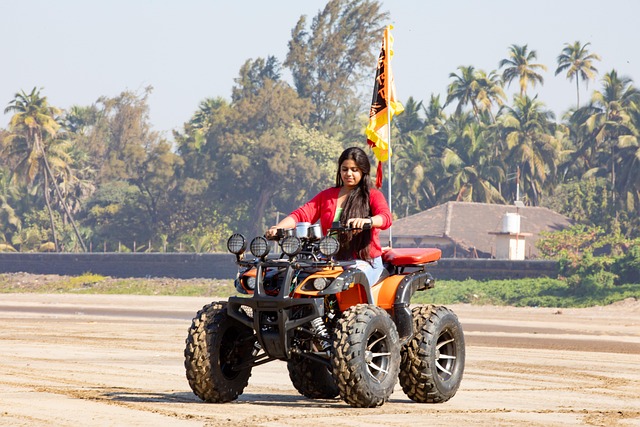
After selecting your used ATV in excellent condition, proper maintenance and safety precautions are paramount to ensure a rewarding off-road motoring experience. Regular servicing is crucial; follow the manufacturer’s recommended service schedule for oil changes, filter replacements, and checks on critical components like brakes and tires. Remember that an ATV’s lifespan significantly depends on consistent care.
Before hitting the trails or participating in ATV racing events near you, familiarize yourself with local ATV laws and regulations. These guidelines are designed to protect both riders and the environment, ensuring safe and responsible off-road motoring adventures. Many regions mandate safety gear like helmets, eye protection, and appropriate attire for all riders. Stay informed about trail etiquette, environmental conservation practices, and any permits required for off-road use.
ATV trails and parks offer diverse terrain for testing your skills and enjoying the outdoors. However, these environments can be demanding on vehicles, necessitating meticulous care between rides. After each adventure, thoroughly clean and inspect your ATV for any signs of damage or wear. Pay special attention to the underbody, drivetrain components, and suspension systems. Proper storage is equally vital; keep your ATV in a secure, covered area to protect against weather conditions that could accelerate corrosion or damage.
Consider joining local ATV clubs or communities to stay updated on racing events, trail closures, and industry news. These networks can provide valuable insights into how to maintain an ATV and offer opportunities for riders to connect and share experiences. Remember, a well-maintained ATV not only ensures longer lifespan but also enhances safety, making each ride more enjoyable and memorable.
Selecting an All-Terrain Vehicle (ATV) in excellent condition requires meticulous research and due diligence. Key insights include understanding different ATV models and their capabilities, setting a realistic budget, and locating reputable sellers. Thorough inspection, test drives, and vehicle history checks are non-negotiable. Additionally, conducting proper maintenance and adhering to safety precautions post-purchase ensure optimal performance and longevity. By following these essential steps, you can naturally select an ATV that meets your needs and becomes a reliable companion for your off-road adventures.