
Select heavy-duty All-Terrain Vehicles (ATVs) based on specific operational needs. Consider terrain, use case, power, comfort, safety features, and ergonomics. Top models offer advanced electronics for stability. Best practices include operator training, regular maintenance, and using reputable manufacturers and dealers. Tailor ATVs to unique requirements for search & rescue, agriculture, racing, or general industry use.
In the realm of work applications, efficient and robust transportation is paramount, especially when tackling diverse terrains. Heavy-duty All-Terrain Vehicles (ATVs) have emerged as indispensable tools for various industries, offering a reliable solution to navigate challenging landscapes once dominated by cumbersome machinery. However, with numerous options in the market, selecting the ideal heavy-duty ATV can be daunting. This article aims to provide an authoritative guide, delving into the key considerations and features that set apart exceptional work ATVs. By the end, readers will possess the knowledge to make informed decisions, ensuring they select the perfect vehicle tailored to their specific needs.
- Understanding Heavy-Duty ATV Needs for Work
- Key Features to Consider in All-Terrain Vehicles
- Top Performance and Durability in Heavy-Use ATVs
- Safety Measures for Effective Worksite Operations
- Choosing the Right Heavy-Duty ATV: A Comprehensive Guide
Understanding Heavy-Duty ATV Needs for Work

When it comes to heavy-duty ATVs for work applications, understanding the unique needs of your operations is paramount. These versatile vehicles are no longer solely reserved for recreational use; they’ve become indispensable tools in various industries, from agriculture and construction to hunting and search and rescue. The key lies in selecting All-Terrain Vehicles (ATVs) that match your specific requirements rather than settling for a one-size-fits-all approach.
Consider the demands of your work environment. Heavy-duty ATVs designed for industrial use often boast features like robust engines capable of tackling steep slopes and rugged terrain, powerful brakes for controlled descent, and durable frames built to withstand intense strain. For instance, if you’re in the forestry sector, a heavy-duty ATV with a powerful engine and excellent maneuverability can aid in logging operations and forest maintenance. Conversely, renting ATVs for hunting allows access to remote areas but requires vehicles optimized for stealth and stability, often lighter models that can navigate thick underbrush quietly.
Another crucial aspect is ergonomics and operator comfort. Prolonged use necessitates well-designed handlebars, adjustable seats, and easy-to-operate controls. Additionally, consider the need for specialized attachments or implements, as many modern ATVs accommodate various accessories, enhancing their utility. For example, a light-duty recreational ATV might suffice for occasional trail riding but won’t match the efficiency of a heavy-duty model when equipped with a snowblade for winter clearing tasks. Thus, evaluating your specific requirements before selecting or renting an ATV is essential to ensure maximum productivity and safety on the job.
Key Features to Consider in All-Terrain Vehicles

When selecting a heavy-duty ATV for work purposes, it’s crucial to go beyond aesthetics and brand name, and focus on the key features that will directly impact performance and safety. Side-by-side ATVs for sale in the market today vary greatly; from powerful machines built for extreme off-road conditions to versatile multi-purpose utility vehicles suitable for a range of tasks. For businesses investing in these vehicles, understanding the unique demands of your operation is key.
Consideration should be given to factors like engine power and torque, which directly influence climbing ability and hauling capacity. Larger engines with higher horsepower ratings excel at tackling steep inclines and pulling heavy loads, making them ideal for construction sites or farming operations. Conversely, smaller, fuel-efficient engines can be sufficient for lighter tasks like landscaping or property maintenance. Additionally, the importance of traction cannot be overstated; four-wheel drive systems offer superior grip on uneven terrain, while some models include advanced features like differentials that enhance control and prevent wheel spin during challenging maneuvers.
Beyond mechanical specifications, comfort and ergonomy play a significant role in the long-term performance of operators. Best off-road vehicles for beginners often incorporate adjustable seats, suspension systems, and ergonomically designed handlebars to reduce fatigue during extended use. Incorporating safety features such as roll cages, seatbelts, and lights is equally vital. Some advanced models even offer GPS navigation, Bluetooth connectivity, and integrated communication systems that enhance situational awareness and team coordination in remote areas. Ultimately, selecting the right All-Terrain Vehicle involves striking a balance between raw power, comfort, and feature sets tailored to your specific work needs.
Top Performance and Durability in Heavy-Use ATVs
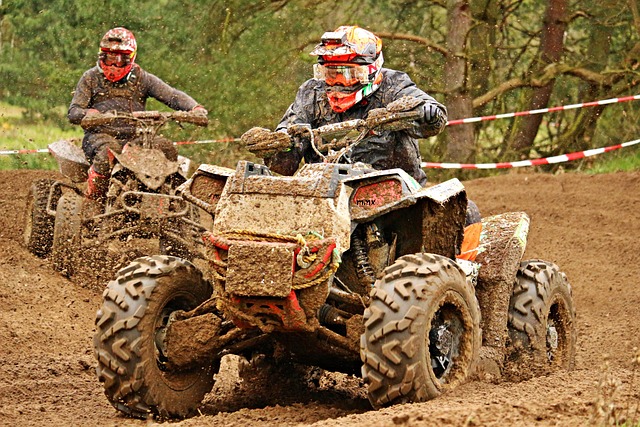
When it comes to heavy-use ATVs, selecting the right All-Terrain Vehicle (ATV) is paramount for both performance and longevity. Top-tier ATVs designed for demanding workloads offer unparalleled durability and power, ensuring they can withstand relentless off-road conditions. These machines are built to tackle tough terrains, from rugged mountains to muddy swamps, making them indispensable tools for professionals such as farmers, hunters, and construction workers.
Key features distinguish heavy-duty ATVs from their lighter counterparts. Powerful engines with advanced cooling systems deliver ample torque and acceleration, enabling swift navigation through dense foliage or steep inclines. Robust frames constructed from high-strength steel provide exceptional rigidity, reducing the risk of frame damage during intense use. Furthermore, sophisticated suspension systems with adjustable settings allow operators to customize the ATV’s performance based on the terrain, enhancing control and stability.
Investing in a heavy-duty ATV is a significant decision, so considering long-term reliability and safety is essential. Reputable manufacturers offer comprehensive warranty packages, providing peace of mind and ensuring accessible repair services. Regular maintenance, including timely oil changes and tire rotations, can significantly extend the lifespan of these vehicles. Additionally, enrolling in ATV safety training courses is highly recommended to ensure operators are equipped with the necessary skills to navigate treacherous off-road conditions safely. Exploring options through reputable dealers, such as browsing available heavy duty ATVs for sale online or securing cheap ATV insurance quotes, allows buyers to make informed choices that align with their requirements and budget.
Safety Measures for Effective Worksite Operations
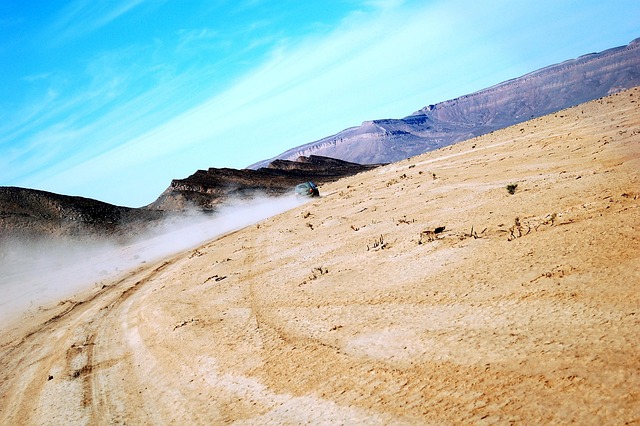
When utilizing heavy-duty All-Terrain Vehicles (ATVs) for work purposes, prioritizing safety is paramount to ensure efficient and effective operations on any worksite. This involves a meticulous selection process that considers various factors beyond sheer power or ruggedness. To choose an ATV that aligns with your job requirements, understand the terrain, and anticipate potential hazards. For instance, if renting ATVs for desert excursions, stability and high-clearance features become paramount to navigate loose sand and steep slopes safely.
How to select the right vehicle involves evaluating key safety measures such as brakes, suspension systems, and steering mechanisms. Advanced braking systems with improved stopping power and traction control can significantly enhance safety, especially in challenging conditions. Additionally, robust suspension designs cater to uneven terrain, preventing rollovers or loss of control. Many modern ATVs incorporate advanced electronics for enhanced stability, which is crucial when carrying heavy loads or navigating unfamiliar grounds.
Another critical aspect is operator training and personal protective equipment (PPE). Ensuring that all employees are proficient in ATV operation through comprehensive training reduces the risk of accidents. The use of appropriate PPE, such as helmets, gloves, and robust clothing, further minimizes potential injuries. Furthermore, regular maintenance checks by qualified technicians are essential to identify and rectify any safety concerns before they escalate. For those considering buying used ATVs online, thorough inspection becomes even more critical, as these vehicles may have unforeseen mechanical issues that could impact safety.
In conclusion, selecting the right heavy-duty ATV for work demands a balanced approach that considers both vehicle specifications and operational best practices. By focusing on safety measures like advanced braking, robust suspension, operator training, and regular maintenance, employers can foster a secure working environment, increase productivity, and minimize incidents, making these vehicles reliable assets for various industries.
Choosing the Right Heavy-Duty ATV: A Comprehensive Guide
Selecting a heavy-duty ATV for work requires careful consideration of your specific needs. All-Terrain Vehicles (ATVs) are versatile machines, but not all models are created equal. Whether you’re in search and rescue, agriculture, or construction, choosing the right vehicle can significantly impact efficiency, safety, and productivity. One size does not fit all; thus, it’s crucial to assess factors like terrain type, intended use, payload capacity, and customization options before making a decision.
For instance, if you’re engaged in search and rescue operations, you’ll need an ATV that excels in rough, uneven terrain with strong traction and stability. Customized ATV builds can be tailored for specific rescue scenarios, such as equipping them with winches or specialized carrying gear. Conversely, agricultural use demands vehicles built to withstand long hours and heavy loads while navigating farm fields and wooded areas. In contrast, ATV racing events require machines optimized for speed and agility on specifically designed tracks.
When selecting a heavy-duty ATV, consult industry experts, review user data, and test drive various models. Pay attention to features like suspension quality, engine power, and fuel efficiency. Remember that the best ATV is one aligned with your unique operational requirements, capable of enhancing productivity without compromising safety or comfort. Stay informed about local ATV racing events to keep up with advancements in technology and design, which can offer insights into the latest performance trends and innovations.
In conclusion, selecting a heavy-duty ATV for work requires careful consideration of diverse factors. By understanding specific job needs, evaluating key features like power, terrain capability, and safety systems, and prioritizing performance and durability, operators can make informed decisions. This article has equipped readers with essential knowledge to navigate the market, ensuring they choose All-Terrain Vehicles that enhance productivity while adhering to safety standards. When selecting these vehicles, remember to assess your unique requirements, consult industry experts, and opt for models from reputable manufacturers known for their quality and reliability.