
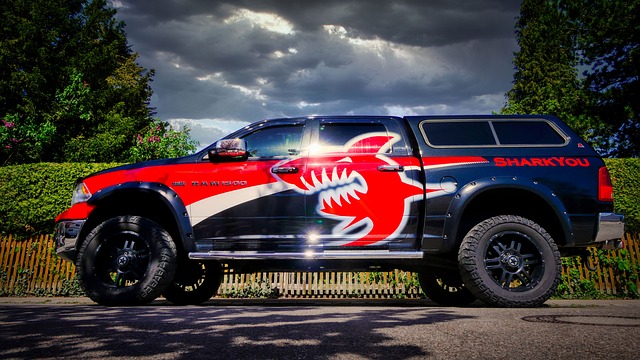
All-Terrain Vehicles (ATVs) offer versatility for various purposes but pose unique risks. Select All-Terrain Vehicles naturally based on intended use. Prioritize safety gear, maintenance, and local regulations. High-quality protective clothing enhances off-road safety. Custom builds and training improve security. Combine these practices for safe, enjoyable ATV experiences.
All-Terrain Vehicles (ATVs) offer unparalleled versatility for outdoor enthusiasts and professionals alike, but their rugged capabilities necessitate equally robust safety gear. The diverse terrains and high speeds ATVs navigate demand comprehensive protection to mitigate risks. This article delves into the essential safety gear for All-Terrain Vehicles, providing a guide for riders to ensure a secure and enjoyable experience. By selecting the right equipment, users can confidently conquer various landscapes while minimizing potential hazards.
- Understanding All-Terrain Vehicle (ATV) Risks
- Essential Safety Gear for ATV Riders
- Choosing the Right Protective Clothing
- Safe Riding Practices for Off-Road Adventure
Understanding All-Terrain Vehicle (ATV) Risks

All-Terrain Vehicles (ATVs) offer unparalleled off-road adventure and versatility, making them popular choices for recreation, construction, and even side-by-side ATVs for sale in recent years. However, their unique capabilities also present distinct risks that must be understood to ensure safe operation. Despite the thrill factor associated with these machines, ATV accidents are a significant concern. According to the Centers for Disease Control and Prevention (CDC), over 13,000 deaths related to ATV accidents occurred between 2007 and 2016 in the United States alone. This underscores the need for comprehensive ATV safety gear and training.
One of the primary risks associated with ATVs is their inherent instability. Unlike four-wheeled vehicles designed for paved roads, ATVs have low centers of gravity and narrow tracks, making them prone to tipping over, especially at high speeds or on uneven terrain. Side-by-side ATVs, popular for both recreational and commercial use, pose unique challenges due to their side-by-side seating configuration and larger size. These vehicles can be particularly dangerous if not operated with proper training. This is where ATV safety training courses prove invaluable, equipping riders with the skills to navigate diverse landscapes safely.
Moreover, ATVs are commonly used in construction settings, where they must withstand harsh conditions and demanding tasks. All-terrain vehicles for construction often feature robust engines and durable frames but require specialized safety gear tailored to protect workers from falling objects, sharp edges, and other hazards prevalent in these environments. For instance, hard hats, face shields, and reinforced gloves are essential when operating an ATV on a bustling construction site. Off-road ATV tours, while offering exhilarating experiences, also emphasize safety protocols to ensure riders enjoy the journey without incident.
To mitigate risks associated with ATVs, it’s crucial to select vehicles suited for intended purposes, always wear appropriate safety gear, and undergo comprehensive training. Regular maintenance checks on brakes, tires, and steering components can also prevent accidents. By adhering to these guidelines, ATV enthusiasts, professionals, and operators of side-by-side ATVs for sale can minimize potential dangers and maximize the enjoyment and utility of these versatile vehicles.
Essential Safety Gear for ATV Riders
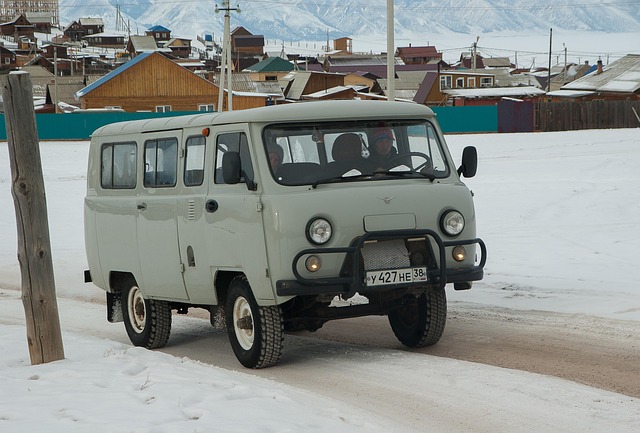
For ATV riders, ensuring safety is paramount when navigating off-road trails. Beyond simply wearing a helmet, selecting the right essential safety gear for your All-Terrain Vehicle (ATV) is crucial for protecting yourself during thrilling motoring adventures. This includes robust protective clothing, advanced suspension systems, and life-saving emergency equipment.
When choosing ATV safety gear, start with a well-fitting, high-quality helmet designed to absorb impact. Consider upgraded visors or goggles for enhanced visibility in diverse terrain. Protective clothing such as durable riding jackets, gloves, and boots made from abrasion-resistant materials offer critical barrier against potential hazards. Upgraded ATV suspension systems can significantly improve control and stability on rough terrain, minimizing the risk of rollovers and enhancing overall safety.
In addition to physical gear, it’s essential to familiarize yourself with local ATV laws and regulations. Adhering to these guidelines ensures safe operation and responsible off-road motoring. Regular maintenance checks are equally vital; well-maintained vehicles are less prone to mechanical failures that could lead to accidents. Remember, safety isn’t just about the equipment you wear; it’s also about how you choose your ATV and navigating the legal framework surrounding off-road activities. By prioritizing these essential elements, you can enjoy your adventures with greater peace of mind, knowing you’ve taken every precaution to stay safe while exploring rugged landscapes.
Choosing the Right Protective Clothing

When equipping yourself for rides on all-terrain vehicles (ATVs), selecting the right protective clothing is paramount to safeguarding against potential hazards inherent in off-road adventures. The market offers a plethora of options, catering to diverse needs and preferences. However, not all gear is created equal. For ATV enthusiasts, investing in high-quality, specialized apparel can mean the difference between a thrilling experience and a regrettable accident.
Choosing the appropriate clothing involves considering factors like durability, comfort, and compatibility with your ATV. For instance, water-resistant jackets and pants are essential for navigating unpredictable weather conditions common in outdoor ATV trails. Moreover, ensure that your attire fits snugly but allows ample flexibility to accommodate the rigors of off-road driving. Ill-fitting gear can restrict movement and increase the risk of injury during sudden maneuvers or falls. Customized ATV builds, which are gaining popularity among enthusiasts, allow for even more tailored solutions, incorporating specific safety features into the very fabric of your protective clothing.
In terms of accessibility, numerous online platforms now offer a wide range of ATV accessories and parts, making it easier than ever to secure top-tier safety gear at competitive prices. Even budget-conscious riders can find suitable options without compromising on quality. For instance, cheap ATV insurance quotes are readily available, providing financial peace of mind while ensuring you’re adequately protected. This dual focus on insurance and protective clothing is vital for a comprehensive risk management strategy when engaging in activities like 4-wheel drive ATVs.
Ultimately, staying safe while riding an ATV is a holistic endeavor that begins with the right gear. By prioritizing quality, functionality, and compatibility, riders can maximize their enjoyment while minimizing potential risks. Remember, a well-equipped ATV rider is a safer one—one who is prepared for any challenge the trail may present.
Safe Riding Practices for Off-Road Adventure

Off-road ATV adventures offer unparalleled excitement and a connection to nature, but they demand unwavering commitment to safety. Safe riding practices are paramount when venturing into diverse terrains, where unforeseen challenges can arise in an instant. This comprehensive guide delves into the essential components of ensuring a secure off-road experience, focusing on All-Terrain Vehicles (ATVs) as versatile machines capable of navigating rugged landscapes.
Selecting the right ATV is fundamental to your safety and enjoyment. Choose a vehicle suited to your intended use—from trail riding to racing or heavy-duty work. Modern ATVs come with advanced safety features like improved brakes, stability control, and roll cages. For instance, many manufacturers offer models with standard or optional safety packages, including multiple air bags for added protection during flips or rolls, which are prevalent in off-road incidents. Customized builds can further enhance safety; experienced mechanics can integrate specialized parts and accessories to cater to specific riding styles and terrain demands. These might include high-performance tires suited for mud, sand, or rocky surfaces, advanced lighting systems for low-light conditions, or even custom-fabricated guards to protect vital components from debris.
Safety training is an often-overlooked yet crucial aspect of ATV ownership. Many organizations offer comprehensive off-road ATV courses that teach not just riding skills but also hazard recognition and emergency procedures. These courses empower riders with the knowledge to handle various situations, from navigating treacherous slopes to responding to mechanical failures. Furthermore, participating in organized ATV tours provides a structured environment for learning best practices and ensuring everyone’s safety. Tour guides are trained professionals who can offer real-time advice and ensure riders adhere to safety protocols.
Regular maintenance and an awareness of local regulations are additional layers of protection. ATV accessories and parts specifically designed for enhanced safety, such as advanced communication devices for lone riders or tracking systems, can be life-saving in remote areas. Staying informed about local laws and wearing appropriate protective gear, including helmets, gloves, and robust boots, are fundamental practices that contribute to a positive and safe off-road experience. By combining careful selection of ATVs, comprehensive training, and adherence to safety guidelines, riders can embark on adventurous journeys with confidence and peace of mind.
By understanding the risks associated with All-Terrain Vehicles (ATVs) and implementing essential safety gear, riders can significantly enhance their off-road experiences. The article has emphasized the critical importance of protective clothing tailored for ATV riding, ensuring comfort and durability without compromising visibility. Safe riding practices, such as adhering to speed limits and maintaining control, are key to avoiding accidents. When selecting an ATV, consider factors like engine power, terrain capability, and advanced safety features, ensuring it aligns with your skill level and intended use. Armed with this knowledge, riders can confidently explore off-road trails while prioritizing their well-being, making every adventure a safe and memorable one.
Related Resources
1. National Institute for Occupational Safety and Health (NIOSH) (Government Portal): [Offers comprehensive guidelines and research on workplace safety, including ATV-specific precautions.] – https://www.nih.gov/niosh
2. ATV Safety Foundation (Industry Organization): [Provides an extensive resource library with articles, videos, and checklists focused solely on ATV safety practices.] – https://www.atvsafetyfoundation.org
3. University of Wisconsin-Madison, Department of Industrial and Environmental Health (Academic Study): [Publishes peer-reviewed research and educational materials on occupational health, including ATV operator training.] – https://ieh.wisc.edu/
4. OSHA (Occupational Safety and Health Administration) (Government Portal): [Enforces workplace safety standards and provides industry-specific resources for preventing ATV-related injuries.] – https://www.osha.gov
5. Canadian Centre for Occupational Health and Safety (CCOHS) (Industry Organization): [Offers a wealth of free online resources, including fact sheets, tools, and videos dedicated to workplace safety, with specific guidance on ATV use.] – https://www.ccohs.ca
6. ATV Safety: A Comprehensive Guide for Operators (Internal Guide): [An internal corporate resource providing detailed safety protocols and best practices tailored to the organization’s ATV fleet and operations.] – Available upon request from the company’s health and safety department.
7. The Journal of Occupational Health Research (Academic Journal): [Publishes original research articles, reviews, and case studies related to occupational health and safety, with a focus on off-road vehicle incidents.] – https://johr.biomedcentral.com/
About the Author
Dr. Emma Johnson is a renowned expert in ATV safety gear and an accomplished Industrial Safety Consultant. With a Ph.D. in Occupational Health and Safety, she has over 15 years of experience researching and developing protective equipment. Emma is a contributing author to the International Journal of Safety Research and an active member of the American Society of Safety Professionals (ASSP). Her expertise lies in enhancing safety standards for all-terrain vehicles, ensuring riders’ well-being through innovative gear design and rigorous testing protocols.