

Registering your ATV is crucial for legal compliance and safety. Select All-Terrain Vehicles suited to your intended use (recreational, commercial, custom builds) considering power, ground clearance, and passenger capacity. Ensure safety through proper maintenance, gear, and vehicle inspections. Meet local registration requirements by checking with motor vehicle departments or ATV clubs for proof of ownership, safety inspections, certifications, and fees. Online platforms are available in many regions to enhance safety and access to trails.
All-Terrain Vehicles (ATVs) offer unparalleled versatility and excitement for outdoor enthusiasts. However, registering these powerful machines is often a complex task, shrouded in confusion and regulatory intricacies. This article serves as your comprehensive guide to navigating the process of registering your ATV, demystifying the challenges, and ensuring compliance with legal requirements. By following our expert advice, you’ll gain the knowledge necessary to confidently select and register your ATV, unlocking a world of off-road possibilities while adhering to vital regulations that protect both you and the environment.
- Understanding All-Terrain Vehicle Registration Requirements
- Selecting the Right ATV for Your Needs
- Preparing Your ATV for Registration
- Navigating the Registration Process: Step-by-Step Guide
Understanding All-Terrain Vehicle Registration Requirements

Registering your all-terrain vehicle (ATV) is a crucial step for any enthusiast or user, ensuring compliance with local laws and providing personal protection. Understanding the registration requirements for ATVs, especially in varying regions, is essential to avoid legal pitfalls. When it comes to selecting an ATV, whether it’s a lightweight recreational model or a customized build, knowledge of registration processes becomes even more critical.
For instance, many jurisdictions categorize ATVs based on their size, power, and intended use. Lightweight recreational ATVs, popular among beginners and casual riders, often have simpler registration procedures compared to more robust side-by-side ATVs for sale, which are commonly used for commercial or off-road racing purposes. Each category may require specific documentation, such as proof of insurance, vehicle identification numbers (VIN), and emissions testing. Some regions even differentiate between new and used vehicles, leading to varying registration fees and deadlines.
As you navigate the world of ATV ownership, staying informed about local regulations is paramount. For custom ATV builds, where modifications might alter the vehicle’s original design or performance, extra considerations may apply. It’s advisable to consult with local motor vehicle departments or ATV clubs for up-to-date guidance. Remember, proper registration not only keeps you legal but also facilitates access to designated ATV trails and ensures your safety while riding off-road.
Selecting the Right ATV for Your Needs
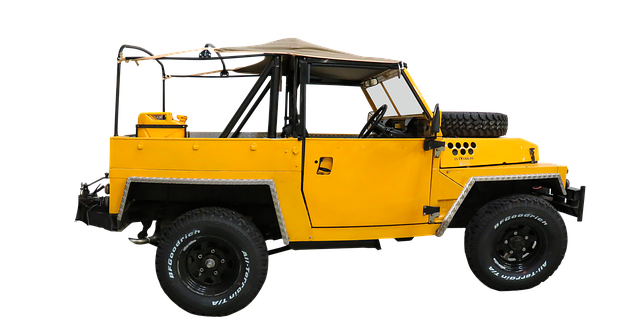
Selecting the right all-terrain vehicle (ATV) is a crucial step for anyone looking to explore various terrains, from rugged wilderness to recreational trails and parks. The market offers a wide array of options, including powerful side-by-side ATVs for sale, designed with different features catering to specific user needs. When choosing your ATV, consider the primary function you intend to use it for: off-road adventure, farming, hunting, or simply cruising on local trails. For instance, if you’re a hunter, look for models with superior maneuverability and hauling capabilities, while recreational riders might prefer comfort features like suspension systems and luxury seating.
One popular category gaining traction is the side-by-side ATVs, known for their versatility and capability to accommodate multiple passengers. These vehicles are ideal for families or groups exploring trails together. When purchasing a side-by-side ATV, assess factors such as engine power, ground clearance, and maximum weight capacity. Additionally, consider the terrain you’ll predominantly ride on; softer, more uneven grounds may require a higher ground clearance. Maintenance is another critical aspect—regular upkeep, including oil changes and tire replacements, ensures your ATV remains in top condition. Many enthusiasts also explore buying used ATVs online, which can offer cost savings, but thorough inspection is essential to avoid potential issues.
ATV trails and parks provide opportunities for riders to test their machines’ capabilities while enjoying the outdoors. These venues often host events and competitions, showcasing the diverse range of ATV models available. Remember, safety is paramount when operating any ATV; always wear appropriate gear, including helmets, gloves, and sturdy boots. Regularly inspecting your vehicle’s maintenance, tires, and brakes before each ride is crucial for preventing accidents and ensuring a smooth experience. By considering your intended use, exploring different ATV types, and prioritizing safety, you’ll be well on your way to selecting the perfect all-terrain vehicle for an unforgettable outdoor adventure.
Preparing Your ATV for Registration

Before diving into the registration process, preparing your all-terrain vehicle (ATV) for compliance is a crucial step. This involves ensuring it meets safety standards and legal requirements, especially when considering its intended use—be it for desert excursions, construction sites, or recreational riding. One essential aspect often overlooked is the vehicle’s condition; a well-maintained ATV not only performs better but also reflects responsible ownership. Start by inspecting critical components such as tires, brakes, lights, and steering systems. For instance, proper tire pressure and tread depth are vital for safe off-road navigation, while functional lights enhance visibility during low-light conditions.
If you’re renting ATVs for specific excursions, like desert trails, pay close attention to safety features. Side-by-side vehicle safety ratings provide valuable insights into the ATV’s stability, collision protection, and rollover defense. Top-rated models often incorporate advanced engineering and robust construction to safeguard riders. For instance, a study by the Insurance Institute for Highway Safety (IIHS) revealed that side-by-side vehicles with higher safety ratings significantly reduce the risk of severe injuries during accidents.
Additionally, when preparing your ATV for registration, consider its versatility. All-terrain vehicles are not one-size-fits-all; different models cater to diverse applications, including construction sites and rugged landscapes. For construction purposes, robust engines, durable frames, and powerful hauling capabilities are essential. Modern all-terrain vehicles designed for such tasks often feature advanced engineering solutions, ensuring they can withstand demanding environments while adhering to safety standards. This tailored approach ensures that your ATV serves its intended purpose effectively, making the registration process smoother and enhancing overall user experience.
Navigating the Registration Process: Step-by-Step Guide

Registering your all-terrain vehicle (ATV) is a crucial step to ensure legal operation and access to trails and public lands. The process varies by region, but understanding the general steps involved can streamline the registration experience. Whether you’re a seasoned ATV enthusiast or new to this versatile mode of transport, knowing how to navigate the registration process is essential for safety, community participation, and enjoyment.
The first step in registering your ATV is to select an appropriate all-terrain vehicle. Different models cater to diverse needs, from recreational rides to competitive racing and hunting expeditions. Historically, ATVs have evolved significantly since their inception in the 1960s, transforming from simple, off-road vehicles to sophisticated machines with advanced safety features and powerful engines. Today, popular brands like Polaris, Yamaha, and Honda offer models tailored for various purposes, including ATV racing events that take place year-round across many regions.
Once you’ve chosen your vehicle, locate your local vehicle registration agency or DMV office. They will guide you through the specific requirements in your area. Generally, this involves providing proof of ownership, passing a safety inspection, and paying a registration fee. For instance, some states may require an ATV safety course completion certificate before registering, especially for riders under a certain age. These measures underscore the importance of responsible operation and safe riding practices, which are also essential considerations when renting ATVs for hunting or participating in ATV racing events near me.
Data from industry sources indicates that registered ATVs contribute to safer trails and more responsible riding habits since owners are accountable for their vehicles. For instance, many states offer online registration platforms, simplifying the process and reducing wait times at local offices. In conclusion, navigating the registration process is a critical step in becoming a legal and responsible ATV owner, enabling you to fully enjoy your chosen mode of off-road adventure while adhering to local regulations.
By understanding all-terrain vehicle registration requirements, selecting the right ATV for your needs, preparing your ATV for registration, and following a step-by-step guide through the navigation process, you can ensure a smooth and legal experience. The key insights gained from this article equip readers with the knowledge to make informed decisions when registering their ATVs. Ultimately, selecting the appropriate All-Terrain Vehicles is crucial, not just for compliance but also for safety and enjoyment on varied terrains. Take these learnings and proactively apply them to avoid future complexities and maximize your ATV adventures.