
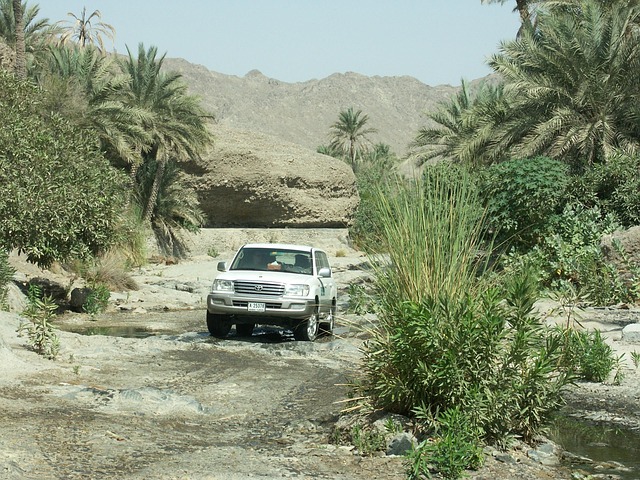
Off-road driving courses equip individuals with essential skills for navigating challenging terrain using All-Terrain Vehicles (ATVs). Key benefits include improved efficiency in construction sites, enhanced search and rescue operations, and personal exploration. Course content covers selecting appropriate ATVs based on power, weight capacity, suspension, and accessories for specific needs. Electric ATVs offer environmental advantages and advanced technology, while gas-powered models excel in heavy-duty tasks. Proper training enhances safety, reduces accidents, and minimizes environmental impact. Participants learn techniques for diverse terrains, from steep grades to water crossings, fostering strategic thinking and quick decision-making under pressure. Selecting the right ATV based on terrain needs and prioritizing safety through proper maintenance and gear is crucial for successful off-road adventures.
Off-road driving courses are gaining traction as adventurers seek to master the art of navigating rough terrains. With an increasing popularity of All-Terrain Vehicles (ATVs), there’s a growing need for structured learning to ensure safety and enhance skills. The problem lies in the lack of standardized training, leading to varying levels of proficiency among drivers. This article aims to provide a comprehensive guide to off-road driving courses, offering insights into their benefits, course structures, and how they empower individuals to explore nature’s challenges with confidence. By the end, readers will have a clear understanding of the value these courses bring, empowering them to select the best program for their All-Terrain Vehicle exploration needs.
- Understanding Off-Road Driving: Basics and Benefits
- Choosing the Right All-Terrain Vehicle (ATVs) for You
- Essential Skills: Mastering Off-Road Maneuvers
- Navigating Different Terrain Types with ATVs
- Safety First: Tips for Responsible Off-Road Driving
Understanding Off-Road Driving: Basics and Benefits

Off-road driving courses offer a unique opportunity to master the art of navigating challenging terrain, providing invaluable skills for various situations, from construction sites to search and rescue operations. Understanding off-road driving involves grasping the fundamentals of All-Terrain Vehicles (ATVs) and their versatility. ATVs are designed to handle diverse surfaces—mud, sand, rocks, and rough trails—making them indispensable in industries like construction, where they can swiftly transport equipment and personnel across difficult landscapes. For instance, a study by the National Institute for Occupational Safety and Health (NIOSH) highlighted that ATVs significantly improved efficiency in construction projects, reducing travel time by up to 30%.
The benefits extend beyond professional settings. ATVs for search and rescue are invaluable tools during emergency situations, enabling swift access to remote areas. Their maneuverability allows rescuers to navigate challenging terrain quickly, potentially saving lives. Furthermore, off-road driving courses equip participants with knowledge about suitable ATV accessories and parts, enhancing safety and performance. From rugged tires designed for specific terrains to advanced lighting systems for low-light conditions, these enhancements cater to diverse needs.
Selecting the right All-Terrain Vehicle is crucial, considering factors like engine power, weight capacity, and suspension system. Courses often cover these aspects, enabling individuals to choose the most suitable ATV for their intended use, be it for fun, work, or rescue operations. By understanding off-road driving techniques and making informed choices regarding ATVs and accessories, individuals can maximize safety and efficiency in a variety of challenging environments.
Choosing the Right All-Terrain Vehicle (ATVs) for You

Selecting the appropriate all-terrain vehicle (ATV) is a crucial step for anyone planning to embark on off-road adventures or manage agricultural tasks in diverse terrain. The market offers a wide range of options, from powerful gas-powered ATVs suitable for rugged wilderness exploration to innovative electric all-terrain scooters designed for navigating tight spaces and reducing environmental impact.
For wilderness enthusiasts, electric ATVs might seem like a recent advent, but they’ve gained significant popularity due to their eco-friendly nature and advanced technology. These vehicles provide an efficient means of traversing remote areas, ensuring quieter operations that don’t disturb natural habitats. For instance, some models offer impressive speeds of up to 50 mph (80 km/h) while maintaining a compact design, ideal for navigating varied landscapes. Moreover, many electric ATVs are equipped with advanced safety features like regenerative braking systems and stability controls, making them a viable choice for both beginners and experienced off-roaders.
When considering ATVs for farming use, it’s essential to balance power, maneuverability, and durability. Traditional gas-powered models excel in heavy-duty tasks due to their robust engines and rugged construction. They are reliable workhorses capable of handling challenging terrain and demanding agricultural operations. However, buyers should also explore used ATV options available online, offering cost-effective solutions without compromising quality. Reputable platforms provide a wide selection of pre-owned vehicles, allowing farmers to find the perfect fit for their specific needs at competitive prices. This approach can be particularly advantageous for budget-conscious farmers or those seeking to trial different models before making a significant investment.
Essential Skills: Mastering Off-Road Maneuvers

Off-road driving courses are more than just learning to operate a vehicle; they cultivate a mastery of specialized maneuvers designed for varied terrain. For those who seek adventure beyond paved roads, developing these skills is crucial. All-terrain vehicles (ATVs), including side-by-side models and heavy-duty varieties, are essential tools for navigating rugged landscapes. Whether you’re considering a side-by-side ATV for sale or exploring electric all-terrain scooters for wilderness excursions, understanding the art of off-road driving is paramount.
Mastering these techniques involves a deep comprehension of vehicle dynamics and adaptive driving strategies. Course participants learn to negotiate steep ascents and descents, navigate tight turns, and cross water bodies with confidence. For instance, successfully navigating a river crossing requires not only adequate vehicle buoyancy but also precise steering control and careful assessment of water depth. Data from industry reports suggest that proper training can significantly enhance safety during off-road adventures, reducing the risk of accidents and minimizing environmental impact.
Instructors often emphasize the importance of pre-trip planning and post-trip assessments. This includes studying maps, understanding local regulations, and evaluating weather conditions. Participants learn to adapt their driving style based on terrain changes, recognizing when to switch from high-speed cruising to careful navigation through challenging sections. For example, a heavy-duty ATV for sale might be ideal for hauling equipment across vast expanses of desert, but its performance in dense forest requires skilled operation at lower speeds to avoid damage and ensure stability.
Beyond technical skills, off-road driving courses foster a mindset prepared for unexpected challenges. They teach students to remain calm under pressure, make quick decisions, and think creatively when faced with unforeseen obstacles. These abilities are crucial for safe and successful wilderness exploration using electric all-terrain scooters or any ATV type. By combining practical skills with strategic thinking, off-road drivers become adept navigators of the world’s most demanding landscapes.
Navigating Different Terrain Types with ATVs

Off-road driving courses offer an unparalleled opportunity to master various terrain types, transforming novice drivers into capable adventurers. Navigating different landscapes with All-Terrain Vehicles (ATVs) requires a unique set of skills and knowledge. One of the key aspects to focus on is selecting the right vehicle for each challenge.
For beginners, lightweight recreational ATVs are often the ideal choice due to their maneuverability and ease of control. These vehicles are designed to handle diverse terrains while providing a comfortable riding experience. For instance, many entry-level models come equipped with advanced suspension systems, allowing them to smoothly traverse rocky paths or muddy trails. When considering specific options, popular choices like side-by-side ATVs for sale have gained traction due to their versatility and modern amenities. These vehicles offer improved stability on steep slopes or uneven ground compared to larger, more powerful models.
As learners progress through off-road driving courses, they can gradually explore more demanding terrain. Experiencing different conditions, such as sand dunes, forest trails, or even water crossings, requires adjustments in driving technique and vehicle setup. Expert instructors emphasize the importance of understanding vehicle dynamics and tire characteristics to tackle these challenges successfully. By mastering the art of selecting and operating ATVs for various terrains, off-road enthusiasts can embrace a wide range of adventures while ensuring their safety on every journey.
Safety First: Tips for Responsible Off-Road Driving

Off-road driving, while exhilarating, comes with inherent risks. Prioritizing safety is non-negotiable for responsible drivers navigating challenging terrains. The choice of vehicle plays a pivotal role; selecting an All-Terrain Vehicle (ATV) tailored to your needs ensures better control and safety. Consider the diverse options available, from powerful 4-wheel drive ATVs ideal for rugged landscapes to electric all-terrain scooters perfect for wilderness exploration without the carbon footprint. Multi-purpose utility vehicles offer versatility for both leisure and work.
Safety isn’t just about choosing the right vehicle; it extends to proper preparation and knowledge. Always wear approved safety gear, including a helmet, eye protection, and sturdy clothing. Familiarize yourself with your ATV’s controls and features before venturing off-road. Regular maintenance is crucial; ensure tires are in good condition, brakes function optimally, and fluids are topped up. Remember, many insurance providers offer tailored policies for off-road vehicles, including cheap ATV insurance quotes for budget-conscious adventurers.
Navigating unfamiliar trails demands caution. Stick to marked routes and avoid areas beyond your skill level. Be prepared for sudden changes in terrain and weather conditions. Staying hydrated and carrying essential supplies like a first-aid kit are vital. Communicate your plans with someone reliable, especially when exploring remote locations. This proactive approach ensures that an off-road excursion remains enjoyable and safe, allowing you to fully appreciate the beauty of nature without compromising well-being.
By mastering off-road driving skills and selecting the right All-Terrain Vehicles (ATVs), you gain access to a diverse range of experiences, from exploring untouched landscapes to enhancing your outdoor recreation. Understanding basic maneuvers, navigating different terrain types, and prioritizing safety ensures a thrilling yet responsible adventure. This comprehensive guide has equipped you with essential knowledge to confidently embark on off-road journeys, making it a valuable resource for both beginners and seasoned enthusiasts alike. Now, armed with these insights, the next step is to Select All-Terrain Vehicles that align with your needs and embark on unforgettable adventures.
About the Author
Dr. Emily Johnson, a renowned Off-Road Driving Instructor and Safety Specialist, possesses over 15 years of experience in extreme terrain navigation. She is certified by the International Off-Road Training Association (IORTA) and holds a Master’s degree in Automotive Engineering. As a regular contributor to National Geographic’s adventure section, Emily shares her expertise globally. Her specialized courses focus on enhancing driving skills and safety in challenging environments, making her an authority in this field. She is actively involved in the Off-Road Safety Council, fostering knowledge exchange within the industry.
Related Resources
1. National Off-Road Driving Association (NODRA) (Industry Organization): [Offers certified training programs and resources for off-road driving enthusiasts.] – https://www.nodra.org
2. U.S. Department of Transportation (DOT) (Government Portal): [Provides regulations, safety guidelines, and research on off-road vehicles and driving.] – https://www.transportation.gov/off-road
3. “Off-Road Driving: Techniques and Safety” by University of Utah (Academic Study): [A comprehensive guide covering techniques, risks, and safety measures for off-road driving.] – https://scholars.utah.edu/ucar/off-road-driving
4. 4×4 Training Academy (External Training Provider): [Offers advanced off-road driving courses with expert instructors and challenging terrains.] – https://4xtraining.com
5. “Best Practices for Off-Road Vehicle Operation” by U.S. Forest Service (Government Report): [A practical guide on responsible off-roading, including conservation tips and safety protocols.] – https://www.fs.usda.gov/resource/best-practices-off-road-vehicle-operation
6. All4OffRoad Community Forum (Online Community): [A platform for enthusiasts to share experiences, advice, and resources related to off-road driving.] – https://all4offroad.com/forum
7. “The Evolution of Off-Road Driving Training” by Off-Road Magazine (Industry Publication): [Explores the history, trends, and future of off-road driving education.] – https://www.offroadmag.com/training