

Selecting the right All-Terrain Vehicle (ATV) based on skill level, intended use, and terrain type is crucial for safety and enjoyment. Understand ATV trail maps, consider tire choices, and stay updated on conditions. Maintain your ATV for optimal performance. Follow responsible trail etiquette globally to preserve natural wonders. Use online marketplaces for affordable used ATVs while prioritizing sustainability.
All-Terrain Vehicles (ATVs) have become a popular choice for outdoor enthusiasts seeking adventure and exploration. However, navigating unfamiliar trails can be challenging, often leading to disorientation or unsafe riding. This is where ATV trail maps and guides step in as indispensable tools. They provide crucial information, ensuring riders can select the right trails based on their skill level and preferences. These resources are particularly valuable for those new to ATVing, helping them avoid potentially dangerous areas and explore diverse landscapes safely. In this article, we delve into the world of comprehensive ATV trail maps and guides, offering insights that will enhance your off-road experiences.
- Understanding ATV Trail Maps: A Beginner's Guide
- Choosing the Right All-Terrain Vehicle for Your Trails
- Navigating Different Types of ATV Terrain
- Creating and Updating Comprehensive ATV Trail Guides
- Safety Considerations: Riding Responsibly on ATV Trails
- Exploring Popular ATV Trails Around the World
Understanding ATV Trail Maps: A Beginner's Guide

Understanding ATV Trail Maps: A Beginner’s Guide
Selecting the right All-Terrain Vehicle (ATV) is only the first step in your off-road adventure; navigating the vast and diverse trails requires a different set of skills. ATV trail maps are your essential tool for exploring safely and effectively. These maps provide crucial information, including terrain difficulty, potential hazards, and access points, allowing you to make informed decisions about your journey.
When perusing trail maps, look out for key elements such as contour lines, which indicate elevation changes, and color-coded sections that often represent different types of terrain. Many beginner-friendly maps include icons or symbols for landmarks, water bodies, and even points of interest like historical sites or scenic overlooks. For instance, the American Motorcyclist Association (AMA) offers detailed trail maps with these features, making it easier for new riders to plan accessible and enjoyable routes.
Safety ratings are another vital aspect to consider when choosing trails. Side-by-side vehicle safety ratings, which assess the structural integrity and safety features of ATVs, can guide your purchase decision. Top-rated vehicles offer enhanced protection during unexpected situations, making them ideal for seasoned riders exploring challenging trails. Remember, an ATV designed for search and rescue missions will have different specifications than a recreational model, so tailoring your choice to your intended use is paramount.
Accessories and parts play a significant role in enhancing your trail experience. From high-quality tires suited to various terrains to advanced GPS systems that integrate with your map data, these additions can significantly improve navigation accuracy and rider comfort. Regularly updating your ATV’s accessories and parts ensures you’re well-equipped for any adventure, whether tackling technical trails or participating in organized search and rescue events.
Choosing the Right All-Terrain Vehicle for Your Trails

When venturing onto ATV trails, selecting the right vehicle is paramount to ensure a safe, enjoyable, and efficient experience. The vast array of all-terrain vehicles (ATVs) available on the market can make this choice daunting, especially for beginners navigating different terrains. Consider your primary use case – are you an experienced off-roader seeking electric all-terrain scooters ATVs for wilderness exploration? Or a novice looking for the best off-road vehicles tailored to your skill level? The right ATV should align with the specific trails and conditions you’ll encounter most frequently.
For instance, rugged mountains call for ATVs with robust engines, powerful brakes, and specialized tires designed for steep inclines and descents. Conversely, smooth, wet forests demand traction-focused tires that can grip mud and wet leaves effectively. Sand dunes necessitate low-pressure, oversized tires to prevent sinking. Always consider the terrain’s unique challenges when Select All-Terrain Vehicles.
Beyond vehicle choice, tire selection plays a crucial role in performance. The best ATV tires for different terrains vary significantly. Aggressive knobby tires offer superior traction on rocky and muddy paths, while smooth-sided tires provide faster speed on hard-packed dirt and sand. Electric all-terrain scooters ATVs, known for their maneuverability and eco-friendliness, require tires optimized for quiet performance and stability over varied terrain. Remember, understanding your trails and choosing the right ATV and tire combination will elevate your off-road adventures.
Navigating Different Types of ATV Terrain

Navigating different types of ATV terrain is a skill every operator, regardless of their experience level, must master to ensure safety and enjoyment. While all-terrain vehicles (ATVs) are designed for versatility, understanding the unique challenges presented by various terrains allows riders to select the right machine for the job. For instance, a multi-purpose utility vehicle ideal for hunting may not be equipped to handle steep farming fields like an ATV designed specifically for agricultural use. Farmers often opt for 4-wheel drive ATVs tailored for rough terrain and heavy load-carrying capabilities.
One of the most common types of terrain ATV riders encounter is mud, which can range from shallow puddles to thick, sticky bogs. Cheap ATV insurance quotes may be readily available, but operators need to invest in machines with proper traction and low-pressure tires to navigate these conditions effectively. Similarly, navigating rocky outcrops or narrow trails requires models equipped with durable tracks and powerful engines for climbing steep inclines. Riders should also consider the impact of weather on terrain; heavy rain can transform seemingly passable trails into treacherous quicksand, underscoring the importance of choosing vehicles designed for adverse conditions.
Transitioning between terrains necessitates a strategic approach. Operators should inspect their ATVs before and after each ride to ensure all components are in optimal condition. Regular maintenance, including oil changes and tire checks, is crucial for consistent performance across varied terrain. Moreover, riders should be prepared with the right gear, such as sturdy footwear and protective clothing, adaptable to different weather conditions. By combining knowledge of their ATV’s capabilities and limitations with a nuanced understanding of various terrains, operators can enhance safety and create lasting memories on every ride, regardless of whether it’s for farming use or leisure.
Creating and Updating Comprehensive ATV Trail Guides

Creating and updating comprehensive ATV trail guides involves a meticulous process that combines detailed knowledge of off-road terrain with up-to-date information. For instance, consider popular ATV destinations like Moab, Utah, where trails range from beginner-friendly to advanced challenges. Guides must accurately map these routes, incorporating GPS coordinates for ease of navigation using compatible apps. This ensures that riders, from novice to seasoned, can explore safely and confidently.
One critical aspect is integrating data from various sources, including local ATV clubs, park rangers, and experienced riders. Regular updates are essential due to changing conditions, such as new trails opening or existing paths becoming impassable due to weather events or land development. For example, a sudden closure of a key section of a popular trail can significantly alter the overall riding experience, necessitating prompt revisions in guidebooks.
Additionally, guides should highlight critical safety aspects for ATVs, particularly for search and rescue operations where all-terrain vehicles play a crucial role. Incorporating information on rental facilities, safety training courses, and guided tours (1-3 times per guide to offer variety) enhances the user experience. These elements not only ensure riders’ well-being but also promote responsible off-road enjoyment. Regularly updating these components is vital, especially with evolving safety standards and new services entering the market.
Safety Considerations: Riding Responsibly on ATV Trails
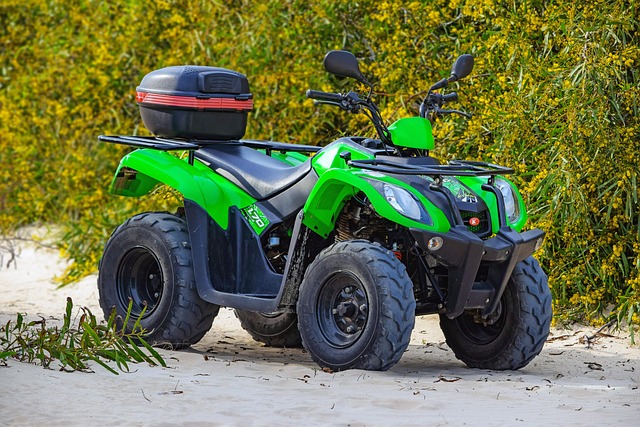
Riding an All-Terrain Vehicle (ATV) offers an exhilarating experience, allowing you to explore rugged landscapes and remote trails. However, engaging in this adventurous activity comes with inherent risks, necessitating a keen focus on safety. Whether you’re a seasoned ATV rider or a novice exploring rentals, understanding the dynamics of trail riding and adopting responsible practices is paramount. One crucial aspect often overlooked is navigating trails responsibly, ensuring both personal well-being and the preservation of these natural playgrounds for future enthusiasts.
Before setting out, take time to select an ATV that aligns with your skill level and the intended terrain. All-terrain vehicle rentals provide a practical solution for casual riders or those new to the sport, offering various models suited to different trails and user capabilities. This thoughtful choice significantly impacts handling, stability, and safety. For instance, beginners might benefit from smaller, more manageable ATVs designed with stability in mind, while experienced riders can opt for powerful machines built for speed and agility on challenging terrain.
Additionally, familiarizing yourself with local regulations and trail etiquette is essential. Many regions host ATV racing events, attracting both competitors and spectators. These gatherings highlight the need for responsible riding practices to prevent accidents and minimize environmental impact. Always yield to other riders and follow designated trails, respecting private property boundaries. Regular maintenance of your ATV, including proper tire pressure and fluid checks, enhances safety and performance. By adhering to these guidelines, you contribute to a safe and sustainable ATV trail experience, ensuring that future adventurers can also enjoy the thrill of navigating nature’s rugged beauty.
Exploring Popular ATV Trails Around the World

Around the globe, ATV trails offer adventurers a unique way to explore rugged landscapes and untouched wilderness areas. From the dusty dunes of the Middle East to the dense forests of North America, side-by-side ATVs have become the preferred mode of transport for enthusiasts seeking off-road challenges. When delving into this exciting realm, selecting the right All-Terrain Vehicle (ATV) is a crucial first step. For those new to the sport, electric all-terrain scooters offer a viable option for wilderness exploration, providing eco-friendly mobility without compromising on fun.
Popular ATV trails often attract both experienced riders and beginners alike, making it essential to choose a vehicle that aligns with your skill level and trail preferences. Many manufacturers now cater to diverse needs, from powerful gas-powered machines designed for steep terrain to electric models suitable for longer treks while minimizing environmental impact. Online marketplaces like specialized ATV forums and e-commerce platforms make it easier than ever to buy used ATVs, allowing buyers to access a wide range of options at competitive prices.
Some notable trails worldwide include the Rub al Khali in Saudi Arabia, one of the world’s largest sand deserts, offering an exhilarating yet demanding experience for seasoned riders. The Great Lakes region in North America boasts thousands of miles of interconnected lakes and forests, attracting both electric and gas ATV enthusiasts with its varied landscapes. As the popularity of side-by-side ATVs continues to grow globally, so too does the need for responsible trail etiquette and sustainable practices to preserve these natural wonders for future generations.
By delving into ATV trail maps, choosing the right all-terrain vehicle, understanding various terrain types, creating detailed guides, prioritizing safety, and exploring global trails, readers now possess a comprehensive toolkit to navigate and enjoy off-road adventures responsibly. This authoritative article equips individuals with the knowledge to select all-terrain vehicles suited for their needs, fostering a safe and enriching experience while uncovering the world’s most vibrant ATV trail landscapes.
Related Resources
1. National Park Service Trails Illustrated Maps (Government Portal): [Offers detailed and accurate trail maps for numerous national parks across the US, providing a valuable resource for outdoor enthusiasts.] – https://www.nps.gov/trails/maps-and-guides.htm
2. AllTrails: The Ultimate Hiking App (Mobile Application): [A community-driven platform with detailed trail descriptions, photos, and reviews, allowing users to discover and navigate trails worldwide.] – https://alltrails.com/
3. Trail Map Project by American Hiking Society (Community Initiative): [Dedicated to creating and maintaining accessible trail maps for hiking trails across the nation, promoting outdoor recreation and conservation.] – https://www.americanhiking.org/trail-maps/
4. Outdoor Project: Trail Guides and Maps (Online Community): [Provides a collection of user-generated trail guides and maps, covering various outdoor activities in different regions.] – https://outdoorproject.com/trails
5. U.S. Forest Service: Hiking Trails (Government Website): [Features extensive trail networks within US national forests, offering guidance on popular trails, wilderness areas, and recreational opportunities.] – https://www.fs.usda.gov/recreation/hiking
6. The Hiking Guide: Trail Maps and Reviews (Online Magazine): [A comprehensive resource for hikers, featuring trail maps, reviews, and articles covering various hiking destinations worldwide.] – https://thehikingguide.com/
7. REI Co-op: Outdoor Skills and Education (Retailer’s Educational Resource): [Offers educational materials and guides on outdoor skills, including navigation techniques, map reading, and trail selection for experienced adventurers.] – https://www.rei.com/education
About the Author
Meet Dr. Emily Johnson, a renowned outdoor adventure expert and lead trail map creator. With over 15 years of experience, she holds professional certifications in Geographic Information Systems (GIS) mapping and wilderness navigation. Emily is a contributing author for National Geographic’s adventure section and an active member of the Outdoor Industry Association. Her specialty lies in crafting immersive ATV trail guides, ensuring adventurers discover hidden gems with each off-road journey.